
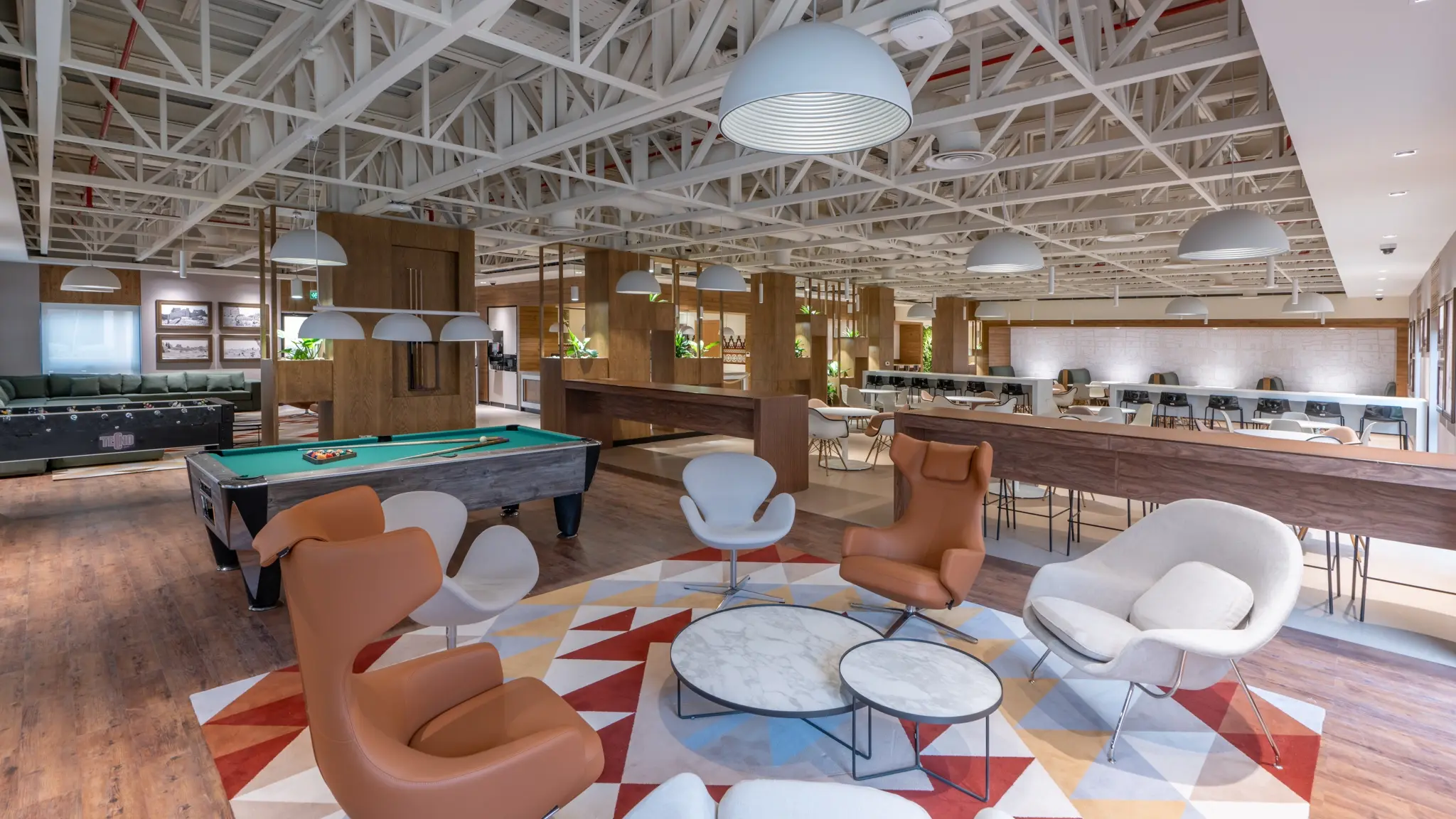
Setting a realistic budget gives an office project a clear financial direction from the start. Every choice, from flooring and lighting to furniture and finishes, affects spending. A detailed cost outline helps teams control resources, avoid unpleasant surprises, and achieve the desired workplace standard. Working with an office fit out company in Dubai gives every expense a practical purpose from the outset.
Set clear project priorities
Start with a list of features that matter most to the workplace. Consider meeting rooms, private offices, workstations, reception areas, storage, lighting, flooring, and technical installations. Assign a spending range to each category before selecting products or finishes. This approach gives the project a defined financial structure and helps the team make sensible choices when prices vary.
Separate essential and optional features
Every office project includes core requirements alongside decorative additions. Separate these two groups before construction begins. Electrical systems, lighting, partitions, flooring, fire safety, and suitable furniture usually sit within the essential category. Feature walls, premium finishes, custom furniture, and decorative installations may sit within the optional group. This separation allows the budget to protect core functions first while leaving room for visual upgrades.
Request detailed cost estimates
Ask the fit out team for an itemized quotation that covers materials, labor, design services, installation, transportation, and applicable fees. A detailed estimate makes individual expenses easier to review. Compare proposed specifications with market prices and discuss any unclear charges before approving the work. Clear figures also help stakeholders understand exactly where project funds go.
Allow room for unexpected expenses
Even a well-structured budget benefits from a contingency allowance. Material price changes, site conditions, design revisions, or additional technical work may affect the final figure. Set aside a reasonable portion of the budget for these situations instead of using every available amount on initial selections. This financial cushion helps the project stay stable when unforeseen costs appear.
Track spending throughout the project
Budget control works best when teams review expenses throughout each project stage. Record approved costs, supplier invoices, labor charges, and additional work in one accessible system. Ask the fit out team to report changes before they affect the agreed budget. Regular financial reviews make overspending easier to spot and give decision-makers time to adjust selections.