
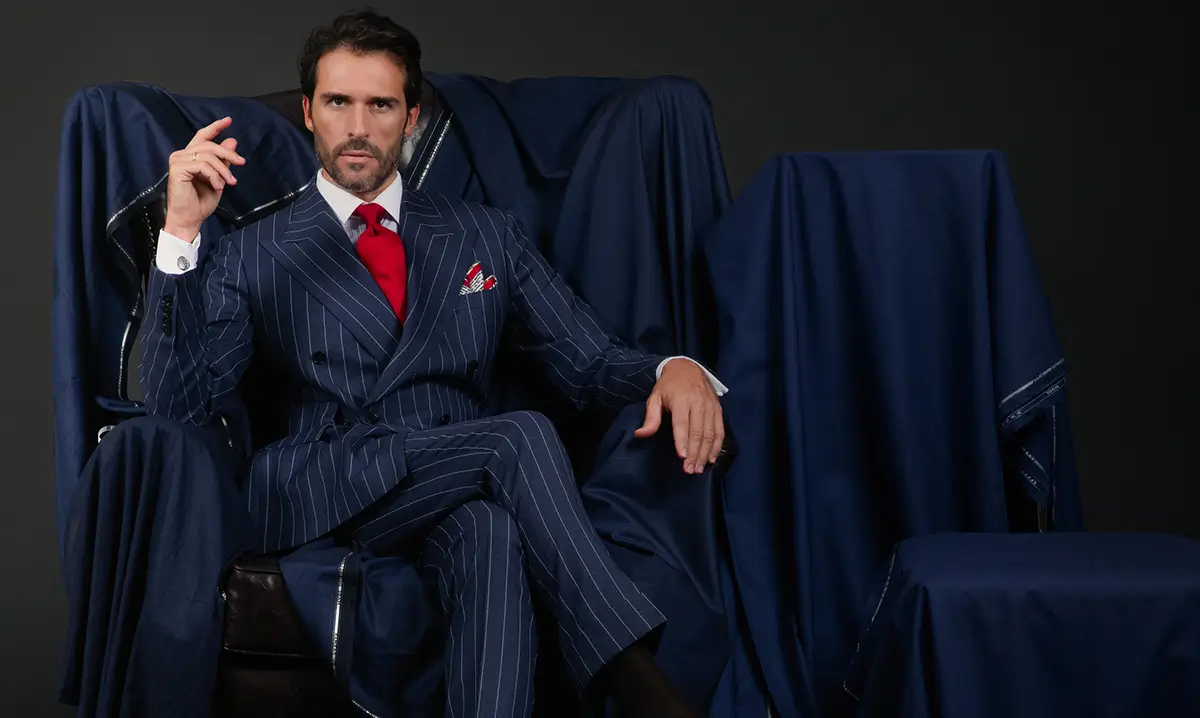
Every person has a different build, posture, and style preference, so one standard suit size rarely delivers a truly refined fit. Handmade tailoring starts with individual measurements and personal choices, giving each garment a distinct structure. Precise shaping improves comfort, balance, and appearance across the jacket and trousers. That personal approach gives handmade suits their unmistakable appeal from the first fitting.
Precise measurements create a personal fit
Handmade suits begin with detailed measurements instead of relying on fixed retail sizes. A tailor checks the chest, shoulders, waist, sleeve length, trouser rise, and other proportions before cutting fabric. This process accounts for differences between the left and right sides of the body, along with posture and stance. The result follows the wearer’s actual proportions instead of forcing the body into a standard pattern.
Tailoring follows your body shape
Off the rack suits follow broad size categories, so they may fit one area while sitting poorly elsewhere. Handmade tailoring allows the tailor to adjust the garment across several points. Shoulder width, jacket length, sleeve position, trouser break, and waist placement receive individual treatment. These adjustments produce a balanced silhouette that sits naturally on the body and avoids the boxy appearance common with generic sizing.
Fabric and construction work together
Handmade tailoring gives the wearer greater control over fabric, lining, buttons, stitching, and internal structure. A skilled tailor selects construction details according to the fabric and intended use. Light materials suit warmer settings, while structured fabrics provide a sharper appearance for formal occasions. Internal canvas, quality stitching, and thoughtful shaping also help the garment retain its form through regular wear.
Fittings refine every detail
Several fittings give handmade suits another advantage. During each fitting, the tailor checks how the jacket sits, how the sleeves fall, and how the trousers rest around the waist and legs. Small adjustments happen before the final stitching stage. This process catches fit issues early and allows the garment to match the wearer’s posture and proportions with greater precision.
Personal style gets built into the suit
Handmade tailoring also gives greater freedom over design. The wearer selects lapel width, pocket style, button arrangement, trouser shape, lining, vents, and other details. These choices help the finished suit reflect personal taste while maintaining a polished appearance. Instead of settling for a preset design, the wearer receives a garment developed around specific preferences.